
Hello there! I’m excited to share something amazing with you all today. My name is Connie, and I just finished writing my life story through Write Your Selfie. I want to pass it down to my children, grandchildren, and maybe even a few great-grandchildren. I want them to know all about me long after I’m gone.
Creating a memory book is a wonderful way to preserve your family’s unique stories. It’s more than just putting photos in an album—it’s a way to share your history with future generations. But where do you start? Let’s look at how you can gather and organize family stories to create a memory book that truly captures the heart of your family.
 The best way to collect family stories is to talk to your relatives. Ask open-ended questions like, “What was the funniest thing that ever happened at a family gathering?” or “What was your favorite childhood memory?” These questions will get people talking, and you’ll discover stories you may have never heard of.
Not sure how to weave these stories into a compelling narrative? If you’re feeling stuck, Write Your Selfie might be a helpful resource. It guides you through turning simple memories into a story your family will love to read.
 Once you’ve gathered a good collection of stories, think about organizing them in your memory book. You could group stories by themes like “Family Traditions,” “Holidays,” “Adventures,” or “Funny Moments.” This keeps the book flowing and allows readers to easily jump to the sections they’re most interested in. It also helps structure your memory book so it doesn’t feel like a random collection of memories.
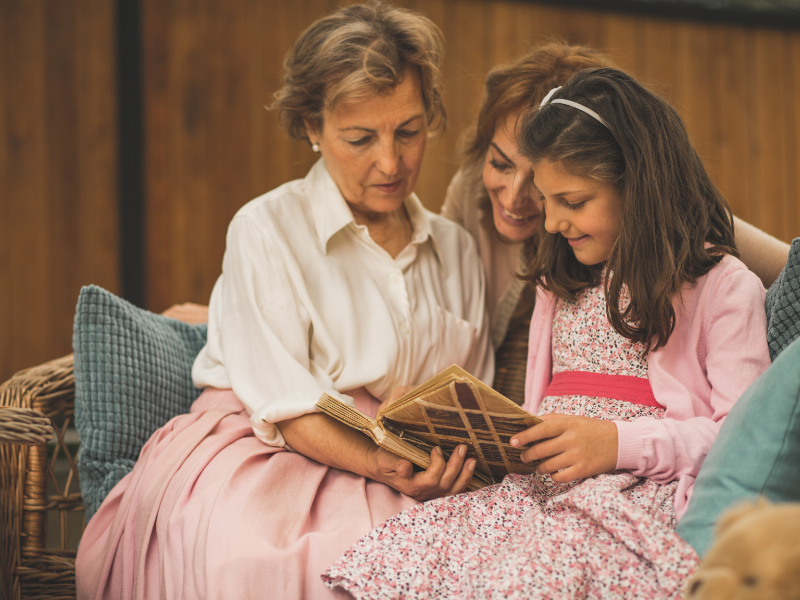 Handwritten notes add an extra layer of personality to your memory book. You could write short captions next to photos or even include little side notes like, “Mom’s favorite recipe from Sunday dinners” or “The park where we always played hide and seek.” It doesn’t have to be perfect. A little scribble can make the memory book feel more genuine.
If handwriting isn’t your thing, that’s okay too! Typing up notes or using simple, clear text will still bring your family stories to life.
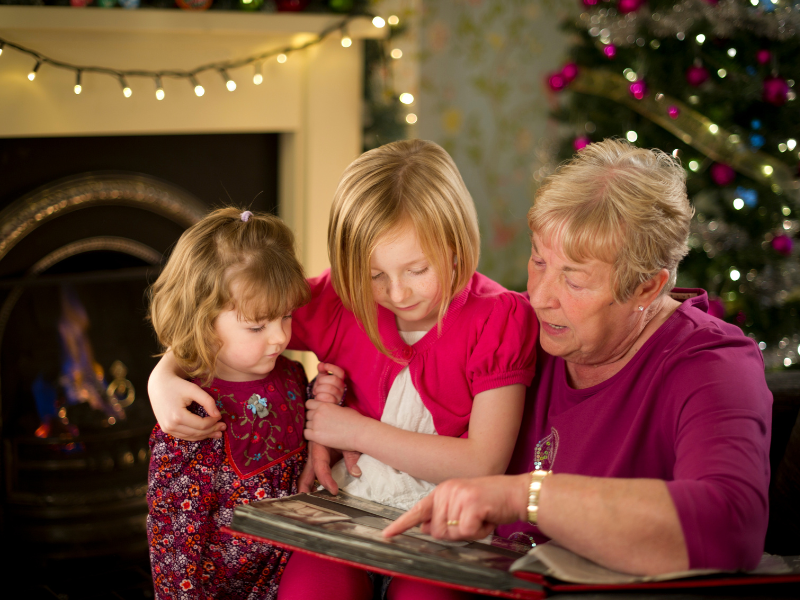 Family stories are even more special when paired with photos. Pictures help bring back memories and add a visual element to the stories. If you feel creative, you can add old family photos, recent snapshots, or even illustrations. Also, include captions so people know the backstory behind each picture.
For example, if you have a photo of your grandparents on their wedding day, write a little blurb about how they met or what their wedding was like. It doesn’t need a long explanation—just enough to give the reader context and connect them to the story.
 A memory book becomes even more meaningful when everyone contributes. Ask different family members to write down their memories or share their thoughts about a special moment. You could also ask kids in the family to draw pictures or write letters that you can include in the book.
The more voices you include, the richer your memory book will become. Plus, it’s a great way to get everyone connected and involved in the project.
Ask Your Family
The best way to collect family stories is to talk to your relatives. Ask open-ended questions like, “What was the funniest thing that ever happened at a family gathering?” or “What was your favorite childhood memory?” These questions will get people talking, and you’ll discover stories you may have never heard of.
Not sure how to weave these stories into a compelling narrative? If you’re feeling stuck, Write Your Selfie might be a helpful resource. It guides you through turning simple memories into a story your family will love to read.
Organize the Stories by Theme
Once you’ve gathered a good collection of stories, think about organizing them in your memory book. You could group stories by themes like “Family Traditions,” “Holidays,” “Adventures,” or “Funny Moments.” This keeps the book flowing and allows readers to easily jump to the sections they’re most interested in. It also helps structure your memory book so it doesn’t feel like a random collection of memories.
Add Personal Touches
Handwritten notes add an extra layer of personality to your memory book. You could write short captions next to photos or even include little side notes like, “Mom’s favorite recipe from Sunday dinners” or “The park where we always played hide and seek.” It doesn’t have to be perfect. A little scribble can make the memory book feel more genuine.
If handwriting isn’t your thing, that’s okay too! Typing up notes or using simple, clear text will still bring your family stories to life.
Include Photos to Bring the Stories to Life
Family stories are even more special when paired with photos. Pictures help bring back memories and add a visual element to the stories. If you feel creative, you can add old family photos, recent snapshots, or even illustrations. Also, include captions so people know the backstory behind each picture.
For example, if you have a photo of your grandparents on their wedding day, write a little blurb about how they met or what their wedding was like. It doesn’t need a long explanation—just enough to give the reader context and connect them to the story.
Get Everyone Involved
A memory book becomes even more meaningful when everyone contributes. Ask different family members to write down their memories or share their thoughts about a special moment. You could also ask kids in the family to draw pictures or write letters that you can include in the book.
The more voices you include, the richer your memory book will become. Plus, it’s a great way to get everyone connected and involved in the project.